

Registering a car in California is a crucial step for any new owner, ensuring legal compliance and ownership rights. However, navigating the process can be a challenge, with various requirements and potential pitfalls. This comprehensive guide aims to demystify the registration procedure, providing a clear roadmap for success. We’ll detail each step, from gathering essential documents to utilizing reliable tools like the DMV VIN verifier, ensuring you have an informed and stress-free experience. By the end, you’ll be equipped with the knowledge to register your vehicle efficiently and confidently.
- Prepare Required Documents for Car Registration
- Visit Your Local California DMV Office or Use Online Services
- Verify Vehicle Identification Number (VIN) with DMV or a Trusted Tool
- Complete the Registration Application Form Accurately
- Pay the California Car Registration Fees and Receive Your Plates
Prepare Required Documents for Car Registration

Before you begin the registration process for your car in California, ensuring you have all the necessary documents is crucial. This step serves as a foundation for a smooth and efficient registration experience. Key among these documents is the Vehicle Identification Number (VIN) – a unique code that identifies your vehicle. Utilize a DMV VIN verifier or mobile VIN verification tools to access this critical information. These methods, like those offered by many app-based services, allow you to confirm the vehicle’s history, make, model, and year with just the VIN.
For instance, when conducting a VIN inspection, you’ll need to provide your car’s VIN to relevant authorities or service providers. This process is not only required for registration but also plays a vital role in ensuring compliance with California’s vehicle safety standards. Data from the DMV indicates that proper documentation and VIN verification significantly reduce instances of fraud during vehicle transactions. A simple mobile VIN inspection can reveal detailed information about your car, including any previous accidents or outstanding issues, empowering you to make informed decisions.
Additionally, gather other essential documents like the title certificate (if owned by you), a valid driver’s license, proof of insurance, and perhaps even previous registration records. These documents streamline the registration process, especially when combined with modern tools such as mobile VIN verification. Remember, having all your documentation in order not only saves time but also helps avoid potential delays or issues during car registration in California.
Visit Your Local California DMV Office or Use Online Services
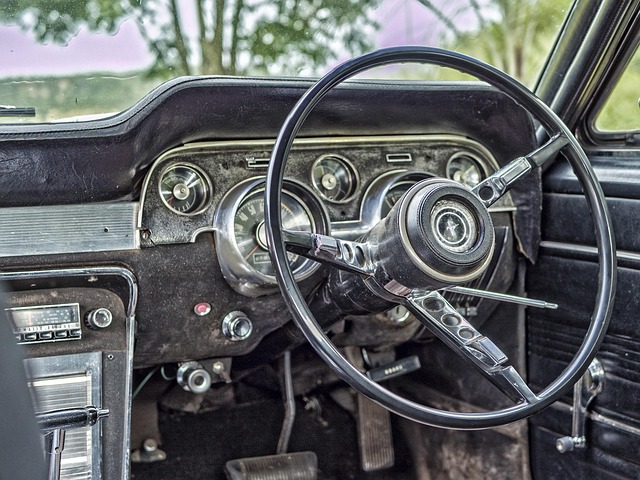
When registering your car in California, visiting your local DMV office or utilizing online services are among the most efficient and straightforward options available to you. The Department of Motor Vehicles (DMV) plays a pivotal role in ensuring vehicle safety and legal compliance. One crucial step in this process involves verifying the Vehicle Identification Number (VIN), which serves as a unique fingerprint for every car.
For a seamless experience, many California residents opt for digital methods. Online services offer the convenience of completing paperwork from home, potentially saving time and energy. Some platforms even provide mobile VIN verifiers, enabling you to conduct a VIN inspection remotely. This modern approach allows you to check the vehicle’s history, including any reported accidents or outstanding issues, before making a decision.
Alternatively, visiting your local DMV remains a valid option. The in-person experience offers immediate feedback and personalized assistance. DMV staff are trained to guide you through the registration process, ensuring all documents are in order and the VIN is accurately verified. This direct interaction can be beneficial for complex cases or when seeking clarification on specific requirements.
Whichever method you choose, leveraging available technology—such as mobile VIN verification tools—enhances accuracy and efficiency. By embracing digital solutions, California drivers can streamline the registration process, ensuring their vehicles meet safety standards and legal requirements with minimal hassle.
Verify Vehicle Identification Number (VIN) with DMV or a Trusted Tool

Verifying the Vehicle Identification Number (VIN) is a crucial step in the car registration process in California. This critical number acts as a unique fingerprint for your vehicle, ensuring that all records associated with it are accurate and up-to-date. When registering a car, you’ll need to confirm the VIN’s authenticity using reliable methods. One recommended approach is to employ a DMV vin verifier or a mobile vin inspection tool. These tools enable you to cross-reference the VIN against official databases, providing instant validation.
A trusted mobile vin verifier can be particularly convenient during this process. You simply input the VIN and receive detailed information about the vehicle’s history, including any accident reports, outstanding loans, or potential issues. For instance, a recent study found that nearly 1 in 5 vehicles with reported fraud had discrepancies in their VIN records. Using a mobile vin verification app can help catch such anomalies early on. Moreover, some tools offer real-time data updates, ensuring you have the most current vehicle information at your fingertips.
If you’re wondering how to verify a car’s VIN for registration, consider these steps: first, locate the VIN on the vehicle’s driver-side door frame or in the engine bay. Then, use a trusted mobile vin verifier or a traditional DMV vin inspection tool to cross-reference this number. This dual approach ensures accuracy and offers peace of mind when registering your California vehicle. By employing these methods, you can confidently navigate the registration process, knowing that every detail—from VIN to vehicle history—is thoroughly checked and verified.
Complete the Registration Application Form Accurately

Completing the Registration Application Form accurately is a crucial step when registering your car in California. This form, often referred to as the California Vehicle Registration and Title Application (Form DV302), requires meticulous attention to detail. Every field must be filled out correctly to ensure a smooth registration process and avoid potential delays or issues down the line. One critical component of this form is the Vehicle Identification Number (VIN) verification, which can now be efficiently conducted through mobile vin inspection services.
The VIN, unique to each vehicle, serves as a digital fingerprint that contains vital information about the car’s history and specifications. Traditionally, VIN verification required visiting a DMV office with the physical vehicle. However, modern advancements in technology have made this process more accessible. Mobile vin inspection services allow you to verify your vehicle’s VIN remotely through a professional who will conduct a thorough inspection using specialized equipment. This convenience is especially beneficial for individuals with busy schedules or those living in remote areas.
When completing the registration application, ensure that the VIN entered matches precisely the one listed on official documents such as your title, insurance papers, and vehicle history report. Discrepancies can lead to registration denials or further investigations by the California DMV (Department of Motor Vehicles). For instance, a recent study by the DMV revealed that about 20% of applications had errors related to VIN accuracy, resulting in delays for applicants who could have avoided them with proper attention to detail and the use of reliable mobile vin verification services.
To streamline the process, consider having your vehicle’s VIN inspected before filling out the application. This proactive step ensures not only the accuracy of your registration but also provides peace of mind. Reliable mobile vin inspection services offer quick turnaround times, often within a few hours, allowing you to submit your application with confidence. Additionally, some professional inspectors provide digital reports, making it easier to cross-reference and share information if needed.
Pay the California Car Registration Fees and Receive Your Plates

After completing the required forms and gathering all essential documents for car registration in California, the next step is to pay the associated fees and receive your personalized license plates. The California Department of Motor Vehicles (DMV) has established a straightforward process for this crucial phase, ensuring vehicle owners have access to safe and legally registered transportation. One innovative tool that streamlines this procedure is the DMV’s Vehicle Identification Number (VIN) verifier. This technology facilitates a swift and accurate VIN inspection, a critical component in the registration process.
California car registration fees vary depending on several factors, including your vehicle’s type, age, and fuel efficiency. For instance, as of recent data, fees range from approximately $50 for lighter vehicles to over $200 for larger, less fuel-efficient models. It’s advisable to check the DMV website or contact a local office for up-to-date fee structures. Upon payment, the DMV will process your application and issue your unique California license plates, typically within a few business days.
For those seeking convenience and time-saving solutions, mobile VIN verification services have emerged as valuable alternatives. These services employ specialized tools to conduct a thorough VIN inspection remotely, eliminating the need for an in-person visit. A simple online search or app download can connect you with such providers, offering flexibility and potential cost savings. However, it’s essential to choose reputable options that ensure accurate data and secure transactions, just as you would when conducting any other official business.
Registering a car in California is a straightforward process when you’re prepared with the right documents and follow the proper procedures. Key insights include ensuring all required paperwork is ready, accurately completing the registration application form, and verifying the Vehicle Identification Number (VIN) using a trusted tool like a DMV VIN verifier. Paying the necessary fees securely concludes the process, resulting in the issuance of custom license plates. By diligently navigating these steps, you can efficiently register your vehicle, ensuring compliance with California’s regulations.