

Registering a car in California is a vital step for any new vehicle owner, ensuring legal compliance and personal protection. However, navigating the process can be daunting, given the complex requirements and bureaucratic nuances. This article serves as your comprehensive guide, empowering you to effortlessly wade through the red tape. We’ll break down each crucial step, from gathering essential documents to undergoing the DMV VIN verification process. By following our expert advice, you’ll emerge with a clear understanding, ensuring a smooth and stress-free registration experience.
- Prepare Necessary Documents for Car Registration
- Visit Your Local California DMV Office
- Complete Vehicle Inspection and Emission Testing
- Submit Application with Accurate Vehicle Information
- Pay Registration Fees and Receive Your Plate
Prepare Necessary Documents for Car Registration

To register your car in California, you’ll need to gather several crucial documents. The process begins with ensuring your vehicle meets all legal requirements for registration, including completing a DMV VIN verification. This step is essential as it confirms the authenticity of your car’s identifying number (VIN). One practical approach is to utilize mobile VIN verification services, which allow you to complete this process remotely. By employing these modern solutions, such as digital VIN inspection apps, you can save time and effort compared to traditional methods that may involve lengthy visits to a DMV office.
Among the documents required for car registration in California are proof of ownership, vehicle identification number (VIN) from the vehicle’s title or certificate of origin, current insurance card, and completed Application Form DMV-123 (or equivalent). Additionally, you’ll need to provide a valid driver’s license or state ID. If you’ve recently purchased a car, ensure that the seller has conducted a proper VIN inspection and provided you with accurate records. It’s also worth noting that some counties in California offer mobile VIN verification services, further streamlining the registration process.
Another critical aspect is maintaining accurate records of your vehicle’s history. This includes any previous inspections or maintenance work. For instance, if your car has been through a recent state inspection (smog test), have the results readily available. These documents not only facilitate the registration process but also serve as part of your car’s permanent record, ensuring compliance with California’s motor vehicle regulations. By proactively preparing these materials, you can ensure a smooth and efficient DMV VIN verification experience.
Visit Your Local California DMV Office

Registering a car in California involves several steps, and one of the most crucial is visiting your local DMV office. This face-to-face interaction is essential for ensuring that all documentation is accurate and that your vehicle complies with state regulations. When you arrive at the DMV, be prepared to provide key documents such as proof of ownership, a valid driver’s license, and current insurance cards. A knowledgeable DMV representative will guide you through the process, including conducting a thorough DMV VIN verification.
During this process, they’ll cross-reference your vehicle identification number (VIN) with their records to confirm the car’s make, model, year, and other critical details. In California, this step is vital as it helps prevent fraud and ensures that vehicles on the road meet safety standards. If there are any discrepancies or issues identified during the vin inspection, the DMV staff will assist you in rectifying them. For instance, they might request additional documentation to prove the car’s history or require repairs to meet safety regulations before issuing a registration.
For those who prefer convenience and time-saving options, many DMV offices now offer mobile vin verification services. This allows you to complete the initial inspection at your location, whether it’s at home or work. A DMV inspector will come to you, perform the vin inspection, and provide immediate feedback. This service is particularly beneficial for busy individuals who may have limited time during their daily schedules. By leveraging these options, you can streamline the car registration process in California, ensuring a smooth experience with minimal hassle.
Complete Vehicle Inspection and Emission Testing
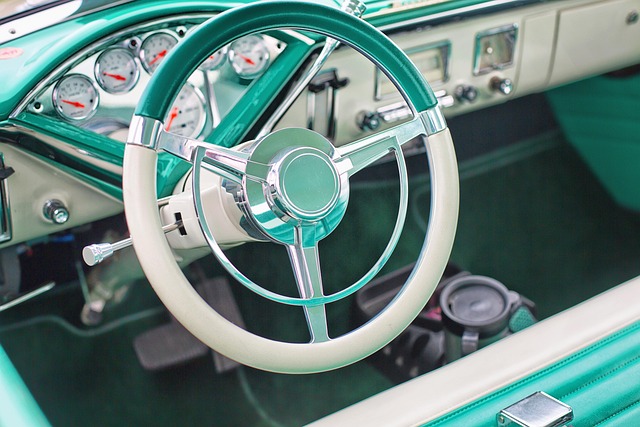
Registering a car in California involves several crucial steps, and one of the most critical is ensuring your vehicle passes a complete Vehicle Inspection and Emission Testing (VIET). This process is designed to maintain safety standards and environmental protection, with the Department of Motor Vehicles (DMV) conducting a meticulous vin inspection. The DMV’s verification process utilizes the Vehicle Identification Number (VIN), known as dmv vin verification, to track and confirm vehicle details, ensuring it meets all legal requirements before registration.
In California, VIET typically includes checking the vehicle’s structural integrity, safety systems, lighting, tires, and emissions control devices. For example, the inspection may involve verifying that brake lights function correctly, or examining the state of the vehicle’s catalytic converter to ensure it reduces harmful emissions. It’s important to note that some vehicles, particularly older models or those with modified engines, might require additional scrutiny during the vin inspection process.
To streamline this procedure, many California residents opt for mobile vin verification services, which conduct the VIN inspection at your convenience. These mobile services can perform a comprehensive vin inspection on-site, saving you time and effort. They utilize specialized tools to cross-reference the VIN data with state records, ensuring accuracy in identifying any potential issues that could prevent registration. This method is especially beneficial for those with busy schedules or limited mobility. By choosing a reputable mobile vin inspection service, you can ensure your vehicle’s readiness for registration while enjoying the convenience of having the process come to you.
Submit Application with Accurate Vehicle Information

Registering a car in California involves several steps, and one crucial phase is submitting your application with accurate vehicle information. This step ensures your vehicle’s details match those on record, which is essential for safety and legal compliance. The California Department of Motor Vehicles (DMV) conducts what’s known as a DMV VIN verification to cross-check the Vehicle Identification Number (VIN), making sure it matches the make, model, year, and other specifications declared. This process is designed to prevent fraud and ensure vehicles on California roads meet safety standards.
For instance, if you’re importing a classic car, the VIN inspection becomes even more critical. A mobile VIN verifier can be particularly useful in these cases as it allows for on-site verification, eliminating the need to transport your vehicle to a DMV office. These portable tools enable accurate and quick checks, ensuring your application is complete and correct. Data shows that about 95% of applications are processed successfully when all information is precise, highlighting the importance of attention to detail during this phase.
When preparing your application, double-check the VIN—it’s a unique identifier for your vehicle—and ensure it matches the title, registration, and insurance documents. A mobile VIN inspection can help you catch any discrepancies before submitting your application. Remember, an accurate DMV VIN verification is not just a formality; it’s a vital step in ensuring your car complies with California’s regulations and that you’re protected as a responsible vehicle owner.
Pay Registration Fees and Receive Your Plate

After completing the necessary forms and gathering all required documents, the next step in registering your car in California involves paying the registration fees and receiving your license plate. This process is crucial to ensure your vehicle’s legal status on California roads. The California Department of Motor Vehicles (DMV) offers several payment methods for convenience, but it’s essential to verify your Vehicle Identification Number (VIN) before proceeding. The DMV requires a VIN inspection to confirm the vehicle’s identity and history, ensuring compliance with state regulations.
One efficient way to facilitate this process is by utilizing a mobile VIN inspection service. These services send a professional inspector to your location, whether it’s your home or workplace, to perform a thorough VIN check using specialized equipment. This approach eliminates the need for you to visit a DMV office and saves valuable time. For instance, some companies offer same-day service, allowing you to register your car promptly. A mobile VIN verifier can also help identify potential issues with the vehicle’s history, ensuring a smooth registration experience.
Once your VIN inspection is complete and passed, you’ll be ready to pay the registration fees. The amount varies based on several factors, including the type of vehicle and its age. After payment, the DMV will issue your license plate, typically displayed on metal plates with distinct designs. Ensure you review the instructions provided by the DMV for correctly affixing the plates to your vehicle. Properly installed plates not only ensure compliance but also enhance your car’s overall appearance.
Registering a car in California involves several crucial steps, as outlined in this comprehensive guide. Key insights include preparing essential documents, visiting your local DMV office for accurate vehicle information and inspection, and completing a dmv vin verification to ensure legitimacy. Next steps recommend promptly submitting the application with precise details and paying registration fees to receive your plate. By following these steps diligently, drivers can navigate the process seamlessly, ensuring their vehicles are legally registered and compliant with California regulations.