

Looking to register your car in California? This comprehensive guide walks you through every step, from understanding the requirements to completing the registration process. We’ll focus on a crucial initial step: DMV VIN (Vehicle Identification Number) verification, ensuring your vehicle’s eligibility. Gather essential documents, follow our step-by-step instructions, and either complete the process online or in person. Don’t miss key details on fees and license plates.
- Understand Requirements for Car Registration in California
- Gather Necessary Documents for Vehicle Registration
- Perform DMV VIN Verification Step-by-Step
- Complete Online or In-Person Registration Process
- Pay Car Registration Fees and Obtain License Plate
Understand Requirements for Car Registration in California

Before registering your car in California, it’s crucial to understand what’s required. The California Department of Motor Vehicles (DMV) mandates several steps for car registration, including a thorough vehicle inspection. This process involves a DMV vin verification, which checks the Vehicle Identification Number (VIN) to ensure the car’s history aligns with its make and model. A mobile vin inspection or mobile vin verification is often required for convenience, allowing you to complete these steps without visiting a DMV office.
During this process, the DMV will verify that your vehicle meets safety standards, including emissions regulations. You’ll need valid documentation such as proof of ownership, insurance, and identification. A vin inspection ensures not only the car’s integrity but also helps prevent fraud, making it an essential part of the registration process in California.
Gather Necessary Documents for Vehicle Registration
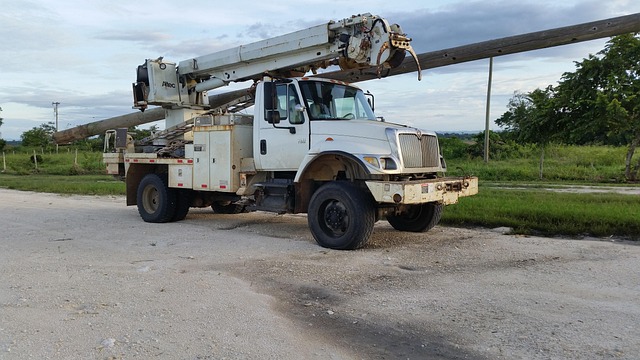
Before registering your car in California, ensure you have all the required documents for a smooth process. The first step is to obtain a Vehicle Identification Number (VIN) verification from the Department of Motor Vehicles (DMV). This involves completing a VIN inspection, which can be done through a mobile vin verification service or by visiting a DMV office. Having your VIN verified is crucial as it confirms the vehicle’s history and ensures it meets all legal standards.
Gathering these essential documents includes your car’s title, proof of insurance, and valid identification like a driver’s license. Additionally, the DMV will require a completed Vehicle Registration Application form, which can be found on their official website. Remember to double-check that all information is accurate and complete to avoid any delays in the registration process.
Perform DMV VIN Verification Step-by-Step
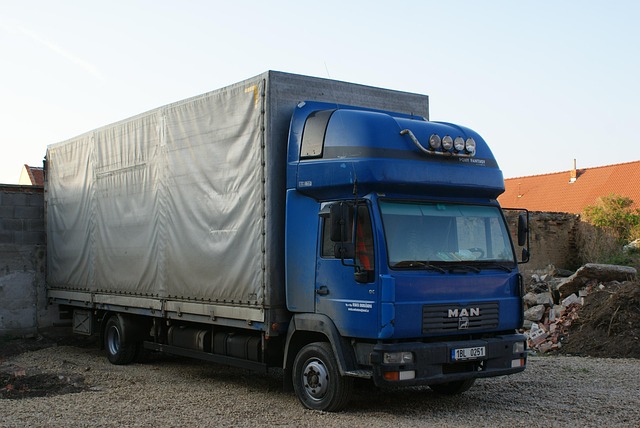
Performing a DMV VIN (Vehicle Identification Number) verification is a crucial step in registering your car in California. Here’s how to do it step-by-step. First, gather all necessary documents, including your vehicle’s registration certificate, proof of insurance, and valid driver’s license. Then, visit the California DMV website or a local field office to initiate the process.
Next, you’ll need to enter your vehicle’s VIN. This unique 17-character code can typically be found on the vehicle’s certificate of origin, title, or in its engine compartment. After entering the VIN, the system will display the vehicle’s information, including its make, model, and year. For added convenience, consider a mobile vin inspection or mobile vin verification service to streamline this process. Ensure that all details match the documentation you’ve provided to avoid delays or issues during registration.
Complete Online or In-Person Registration Process

In California, registering your car involves a straightforward process that can be completed either online or in-person at a DMV (Department of Motor Vehicles) office. The initial step is to ensure your vehicle meets all legal requirements and safety standards. This includes passing a state-mandated smog test for most vehicles. After ensuring your car is compliant, the registration process begins with gathering essential documents and providing accurate information.
For online registration, you’ll need to access the DMV’s official website and navigate through the car registration portal. Here, you’ll enter your vehicle’s details, including its make, model, year, and unique Vehicle Identification Number (VIN). The DMV will then perform a VIN verification to ensure the vehicle’s information matches the records. Alternatively, for an in-person approach, you can visit a local DMV office, where a representative will guide you through the process, collect your documents, and conduct a manual VIN inspection to verify the vehicle’s details.
Pay Car Registration Fees and Obtain License Plate

After completing the registration process and providing all necessary documentation to the California DMV, it’s time to pay your car registration fees. The amount you’ll need to pay depends on several factors, including your vehicle’s make, model, year, and type of ownership (personal or commercial). You can typically complete this step online through the official DMV website, by mail, or in person at a local DMV office. Once the payment is processed, you’ll receive your registration documents and can proceed with obtaining license plates for your vehicle.
Obtaining license plates involves presenting your completed registration paperwork, along with proof of insurance and a valid driver’s license, at a designated California DMV location. Here, an inspector will perform a VIN inspection to verify the vehicle identification number (VIN) matches the information on file. You can choose to get license plates installed by the DMV or opt for a mobile vin inspection service that provides on-site plate installation, making the process more convenient.
Registering a car in California involves understanding specific requirements, gathering essential documents, and completing a straightforward process. By following these steps, including performing a DVW VIN verification, you can ensure a smooth registration experience. Remember to pay the necessary fees and obtain your license plate to legally operate your vehicle on California roads.