

Registering a car in Self-driving car|Self-driving truck|Truck|Truck classification|Insurance|California|California Department of Motor Vehicles|Department of motor vehicles|Commercial vehicle|Motor vehicle|Motor vehicle registration|Vehicle|Vehicle weight|Vehicle emissions control|Emission standard|Regulation|Regulatory compliance|Rulemaking|Legal liability|Product liability|Cargo|Road transport|Freight transport|Tractor|Trailer (vehicle)|Third-party logistics|Logistics|Technology|Software|Policy|Apportionment|Speed limit|Highway|Joint venture|Ownership|License|Adoption|Fresno, California|Los Angeles|Quick Auto Tags is more than just a bureaucratic task; it’s a vital step to ensure your vehicle’s legal status and your personal safety on the roads. However, navigating the process can be challenging, especially with varying requirements across counties and evolving regulations. This comprehensive guide aims to demystify the procedure, offering expert insights into every step. We’ll walk you through the essentials, from preparing necessary documents to utilizing reliable VIN verifiers, ensuring a seamless and stress-free experience.
- Understand California Car Registration Requirements
- Gather Necessary Documents for Vehicle Registration
- Use VIN Verifier to Check vehicle History (Optional)
- Visit a California DMV Office or Use Online Services
- Complete the Registration Process and Obtain Your Plate
Understand California Car Registration Requirements

Registering a car in California involves understanding specific requirements to ensure legal compliance and seamless ownership. The process begins with gathering essential documents, including proof of identity, residency, vehicle ownership, and insurance. It’s crucial to verify that the vehicle’s Vehicle Identification Number (VIN) is accurate and accessible; this can be done through a mobile VIN inspection or verification service, ensuring that the vehicle’s history is transparent and free from tampering.
In California, the Department of motor vehicles (DMV) oversees car registration. They require original documents or certified copies for all transactions, including registration renewals. One key requirement is maintaining accurate odometer readings; failure to do so can result in penalties. Additionally, California mandates specific safety inspections at authorized facilities to ensure vehicles meet emission and safety standards. It’s recommended to schedule these inspections ahead of registration, as they contribute to a smoother overall process.
For out-of-state residents registering a vehicle in California, the process may differ slightly. They must provide proof of out-of-state registration and pay applicable fees within a specified timeframe. Using mobile VIN verification services can be beneficial here, offering a quick way to validate a vehicle’s history before initiating registration. This is particularly useful for buyers purchasing vehicles from other states, ensuring they’re aware of any potential issues or required maintenance. By adhering to these guidelines and employing modern tools like mobile VIN inspection, Californians can efficiently navigate the car registration process.
Gather Necessary Documents for Vehicle Registration

Registering a car in California involves a meticulous process, and one of the critical initial steps is ensuring you have all the requisite documents. The California Department of Motor Vehicles (DMV) requires a comprehensive set of paperwork to verify ownership, vehicle condition, and compliance with safety standards. Among these, the Vehicle Identification Number (VIN) plays a pivotal role, making the use of a mobile VIN verifier an increasingly popular and practical choice for many.
Central to the registration process is the accurate matching of the provided VIN with the vehicle’s records. This is where a mobile VIN verifier comes into play, offering a convenient and efficient solution. By utilizing this technology, you can ensure that your vehicle’s history, including its previous owners and maintenance records, is accurately reflected. For instance, a study by the California DMV revealed that about 10% of vehicles presented for registration had discrepancies in their VINs, underscoring the importance of reliable VIN inspection. A mobile VIN inspection, conducted with the help of a verifier app, allows you to cross-reference these data points swiftly and accurately from the comfort of your home or local auto shop.
Gathering necessary documents involves more than just producing your vehicle’s VIN. You’ll need original (not copied) documents such as proof of ownership, which could be a title or a bill of sale; a valid driver’s license or state ID card; and insurance proof. If you’re registering a newly purchased vehicle, a purchase agreement from the dealer will suffice as proof of ownership. For older vehicles or those with a private seller, obtaining clear and official documentation is crucial to avoid any legal complications during the registration process. Additionally, ensuring your vehicle passes all required safety inspections is fundamental, which can be facilitated by scheduling an inspection at a certified station or using a mobile VIN verifier for preliminary checks before the official DMV visit.
Use VIN Verifier to Check vehicle History (Optional)
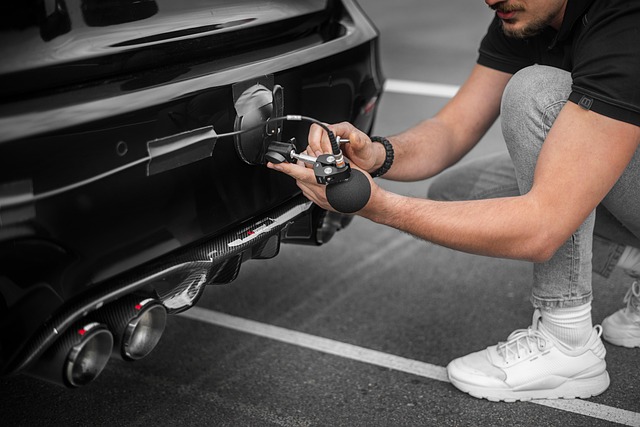
Before registering your car in California, utilizing a VIN verifier for an initial vehicle history check is an optional yet highly recommended step. This process allows you to gain valuable insights into a car’s past, which can be crucial when making a significant investment. A Vehicle Identification Number (VIN) inspection using a mobile vin verification tool provides detailed information about the vehicle’s originality, accident history, and potential issues that might affect its current condition.
Many online platforms and mobile apps offer VIN inspection services, including comprehensive reports on the car’s title, registration, and any reported accidents or major repairs. These tools often provide real-time data, making it easier to verify the authenticity of a vehicle before committing to a purchase. For instance, a recent study found that approximately 20% of cars sold in California had undisclosed accident histories, highlighting the importance of utilizing a mobile vin verifier for added peace of mind.
By employing a mobile VIN verifier, you can enhance your due diligence during the registration process. This additional layer of verification ensures that the vehicle’s history is transparent and accurate, reducing the likelihood of unforeseen problems post-registration. Whether you’re buying from a dealership or a private seller, taking this proactive step can save you time, money, and potential headaches down the road.
Visit a California DMV Office or Use Online Services

Registering a car in California involves a straightforward process that you can complete either at a local DMV office or through online services. Visiting a California DMV office is a traditional method that ensures immediate assistance and personalized guidance from DMV representatives. Here, you’ll need to bring essential documents like proof of ownership, vehicle identification number (VIN) verifier records, and valid identification. The staff will help you fill out the necessary forms, perform an inspection, and issue a registration certificate on the spot. This option is ideal for those who prefer face-to-face interactions or have complex situations requiring manual verification.
For a more convenient approach, utilizing online services offers significant advantages, including time and cost savings. You can initiate the registration process from the comfort of your home, filling out forms digitally and transmitting required documents electronically. Additionally, many California DMV offices provide mobile VIN inspection and verification services, allowing you to get crucial information about your vehicle’s history remotely. This modern convenience ensures that you have accurate data, such as a vehicle’s previous owners or significant repair records, which can be obtained through a simple online VIN lookup or mobile app.
However, it’s essential to ensure the legitimacy of online platforms and service providers to safeguard against potential fraud. Reputable DMV-approved services offer secure and reliable methods for completing your registration, including mobile VIN verification, which checks a vehicle’s history against state records. This technology ensures that all information is accurate and up-to-date, enhancing the overall efficiency of the registration process. By combining traditional office visits with modern online tools, California residents can navigate the car registration process with ease and confidence.
Complete the Registration Process and Obtain Your Plate

After completing your vehicle’s purchase, the next crucial step in California is to register your car with the Department of Motor Vehicles (DMV). This process involves several critical stages, and one of the key milestones is obtaining your unique vehicle identification number (VIN) plate. A VIN verifier, whether mobile or static, plays a pivotal role in this journey by ensuring the vehicle’s history aligns with its current state. By inputting the VIN into a reliable vin inspection tool, you can verify crucial details like ownership history and if there are any outstanding issues that might affect registration.
To commence the process, gather essential documents such as proof of purchase, insurance, and identification. Once your paperwork is in order, visit a DMV field office or utilize their online services to initiate registration. The agency will require you to input your VIN during this process—a step enhanced by using a mobile VIN verifier for on-the-go validation. This technology ensures the accuracy of vehicle information, saving time and effort compared to traditional methods that may involve extensive paperwork and waiting periods.
After verification, the DMV will assign you a unique VIN plate, typically featuring your car’s identification number along with other relevant details. You’ll need to display this plate prominently on your vehicle, adhering to California’s specific regulations regarding plate placement. Once installed, double-check that all information is correct and legible. If using a mobile VIN verifier for final confirmation, this step ensures your peace of mind, knowing the registration process was completed accurately from start to finish.
By following these straightforward steps and understanding California’s car registration requirements, you can efficiently navigate the process. Gathering essential documents, including a valid title and insurance proof, is crucial. Utilizing a VIN verifier (optional but recommended) offers valuable insights into your vehicle’s history. Whether visiting a DMV office or using online services, the process is designed to be accessible. Completing registration ensures legal compliance and allows for the issuance of personalized license plates, marking a significant milestone in your car ownership journey.