

Registering a car in California is a vital process, ensuring legal operation on state roads. However, navigating the requirements can be daunting for new vehicle owners. This comprehensive guide aims to demystify the process, providing clear steps and expert insights. We’ll walk you through every stage, from gathering essential documents to utilizing reliable resources like VIN verifiers, ensuring an efficient and stress-free experience. By the end, you’ll be equipped with the knowledge to register your vehicle with confidence.
- Understand California Car Registration Requirements
- Gather Necessary Documents for Car Registration
- Visit a DMV Office or Use Online Services
- Verify Vehicle Identity with VIN Checker
- Complete Registration, Pay Fees, and Get Plate
Understand California Car Registration Requirements

Registering a car in California involves understanding specific requirements designed to ensure vehicle safety and track ownership. The process begins with gathering essential documents, including proof of insurance, a valid driver’s license, and the vehicle’s Vehicle Identification Number (VIN). This unique 17-character code serves as a fingerprint for your car and is crucial for identifying it during registration and any future transactions. Utilizing a mobile VIN inspection or verifier can streamline this initial step by providing instant access to detailed vehicle history reports.
California requires all vehicles to pass an emissions test, with specific guidelines depending on the age and type of vehicle. Vehicles over 7 years old must undergo this assessment, which further underscores the state’s commitment to environmental stewardship. Additionally, owners must keep their registration current, renewing it every year to maintain legal compliance. Failure to do so can result in penalties and other legal issues, emphasizing the importance of proactive management of your car’s registration.
When registering, it’s also essential to decide on license plate preferences and select any additional options like special fees for safety features or emissions equipment. A mobile VIN verification service can aid in this decision-making process by offering insights into potential savings or benefits based on your vehicle’s specific characteristics. Remember, accurate and timely registration not only complies with California laws but also ensures a smoother driving experience.
Gather Necessary Documents for Car Registration

Before you begin the registration process for your new or used car in California, ensure you have all the necessary documents ready. This includes proof of ownership, vehicle identification number (VIN) inspection, and various other legal requirements. One crucial step is to obtain a valid VIN verifier, which can be done through authorized services, including mobile VIN inspection options, ensuring convenience and accuracy.
A key document you’ll need is the Certificate of Title, often referred to as the ‘title,’ which establishes your ownership rights. It’s essential to have this original certificate, signed by the previous owner, if applicable. Additionally, a current registration certificate from your state’s Department of Motor Vehicles (DMV) is required to prove that your vehicle meets all legal standards and is insured. Some states offer online services for mobile VIN verification, allowing you to check a vehicle’s history quickly and securely.
It’s worth noting that California has specific requirements for out-of-state vehicles, including additional forms and fees. Always consult the DMV’s website or seek professional advice to ensure compliance with current regulations. For instance, if you’re transferring a registration from another state, you might need a Bill of Sale, which documents the transfer of ownership. Proper documentation is key; without it, the registration process could be delayed or even denied.
Visit a DMV Office or Use Online Services
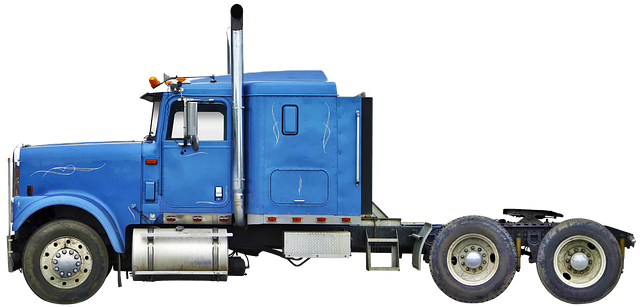
Registering a car in California involves several steps, one of which is choosing between visiting a DMV office or utilizing online services. The former offers a more direct and personalized approach, while the latter provides convenience and speed through digital platforms. For many drivers, the decision often hinges on their comfort level with technology and time constraints.
If you opt to visit a DMV office, expect a comprehensive process that involves presenting necessary documents, passing inspections, and potentially waiting in line. A key step during this visit is the verification of your Vehicle Identification Number (VIN). This process ensures the vehicle’s authenticity and history, which can be facilitated by employing a mobile VIN verification service. These services use advanced technology to cross-check your VIN against national databases, offering instant results that can streamline the registration process.
Alternatively, online registration through the California DMV website offers significant advantages, including reduced wait times and the ability to complete most transactions from home. The process typically involves inputting vehicle details and uploading required documents. However, for critical steps like VIN verification, it’s advisable to use a mobile VIN inspection app or service that can validate your vehicle’s information remotely. This method not only saves time but also ensures accuracy, as these tools often utilize sophisticated algorithms and data checks to deliver reliable results.
By leveraging mobile VIN verifier technologies, California drivers can navigate the registration process more efficiently. Whether at a DMV office or online, these tools play a pivotal role in ensuring that every vehicle on the road is properly documented and safe, ultimately enhancing the overall driving experience.
Verify Vehicle Identity with VIN Checker

Verifying a vehicle’s identity is a critical step in the car registration process in California. One of the most effective tools for this purpose is a VIN (Vehicle Identification Number) verifier. A VIN is a unique code that can be used to gather detailed information about a vehicle, including its make, model, year, and history. To ensure the legitimacy of your vehicle, consider using a mobile VIN inspection service or a reliable online VIN verifier. These tools cross-check the VIN against vast databases, providing you with comprehensive vehicle details.
A practical example can illustrate this point. Suppose you’re buying a used car from out of state. Before registering it in California, you can run the VIN through a mobile vin inspection app. This service will deliver information about previous owners, maintenance records, and any reported accidents, ensuring you have all the necessary facts. According to recent studies, proper VIN verification can significantly reduce the risk of fraud and help buyers make informed decisions.
If you opt for a mobile vin verifier, ensure the service is reputable and uses secure data sources. This step is crucial because an inaccurate or manipulated VIN can lead to registration issues. Moreover, some services offer real-time documentation checks, allowing you to verify the vehicle’s history instantly. For instance, many California DMV (Department of Motor Vehicles) locations now accept mobile VIN inspections as part of their registration process, streamlining the procedure for both buyers and sellers.
Regular vin inspections, whether conducted online or through a mobile app, can help maintain the integrity of California’s vehicle registry. By utilizing these tools, you not only protect yourself but also contribute to a safer and more transparent automotive ecosystem. Remember, a thorough VIN verification is an essential first step before registering any vehicle in the Golden State.
Complete Registration, Pay Fees, and Get Plate

Completing your car’s registration in California involves several crucial steps, culminating in securing your vehicle’s license plate. This process ensures roadworthiness and legal compliance for all vehicles within the state. To begin, you’ll need to gather essential documents, including proof of insurance, a valid driver’s license, and the vehicle’s Certificate of Ownership (or “title”). Once prepared, visit a California Department of Motor Vehicles (DMV) office or utilize their online services to initiate the registration process.
The core requirement for registration is the Vehicle Identification Number (VIN) inspection. This involves verifying the VIN using official methods, such as employing a mobile VIN verifier or undergoing a physical VIN inspection at a DMV facility. The latter ensures the vehicle’s history and specifications are accurately documented, which is vital for both safety and legal purposes. For instance, California’s strict regulations mandate that any discrepancies in the vehicle’s odometer reading or prior ownership history be disclosed to avoid fraud.
After passing the VIN inspection and providing necessary fees, you’ll receive your registration documents and license plates. These plates are typically assigned based on availability and may differ from the traditional design. It’s essential to display these plates correctly on your vehicle at all times to avoid fines or legal repercussions. As a matter of convenience, California offers both in-person and online registration options, with mobile VIN inspection tools further streamlining the process for many residents.
Registering a car in California involves understanding key requirements, gathering essential documents, visiting a DMV office or using online services, verifying vehicle identity with a VIN verifier, completing registration, paying fees, and obtaining license plates. By following these structured steps—from meeting legal obligations to ensuring vehicle authenticity—residents can efficiently navigate the process, securing their vehicles’ legal status and enjoying peace of mind on California’s roads. The use of a VIN verifier is a crucial step in this process, ensuring the accuracy and legitimacy of your vehicle’s identification.