

Registering a car in California involves navigating complex procedures to ensure legal compliance and maintain vehicle ownership rights. The process can be daunting for new owners, often clouded by uncertainties around paperwork, fees, and required documents. This authoritative guide aims to demystify the registration process, equipping you with the knowledge to efficiently navigate it. We’ll detail each step, emphasizing the critical role of accurate VIN verification in ensuring a seamless experience. By following these instructions, you’ll gain confidence in securing your vehicle’s legal status in the Golden State.
- Prepare Necessary Documents for Car Registration
- Understand California's Vehicle Registration Process
- Verify Vehicle Identification Number (VIN) Accurately
- Select an Appropriate Registration Package and Pay Fees
- Register Your Car Online or in Person: Step-by-Step Guide
Prepare Necessary Documents for Car Registration

Registering a car in California involves several steps, but preparing your necessary documents for car registration is one of the most crucial aspects. Before you begin the process, ensure you have all required paperwork in order to streamline the registration procedure. This includes vehicle ownership documentation, proof of insurance, and identification papers. One critical component that often gets overlooked is the Vehicle Identification Number (VIN) verification. The VIN is a unique code that identifies your vehicle, and its inspection plays a vital role in ensuring the accuracy of the registration process.
For instance, when you purchase a used car, a mobile VIN verifier can be employed to check the vehicle’s history, including any accidents or outstanding issues, before completing the registration. This simple step can save time and money by preventing potential problems down the line. Many online resources and mobile apps now offer convenient VIN inspection services, allowing you to perform this verification quickly and efficiently. These tools provide real-time data access, offering peace of mind that your car is as represented.
In California, having a valid and accurate VIN inspection is essential before registering a vehicle. This requirement underscores the importance of meticulous documentation. Always ensure your VIN is legible and accurately recorded to avoid any delays or complications during registration. It’s advisable to keep records of all transactions and inspections for future reference, especially if you ever decide to sell your vehicle. By being proactive in preparing these documents, you can navigate the car registration process with greater ease and confidence.
Understand California's Vehicle Registration Process

Registering a car in California involves several steps designed to ensure vehicle safety and compliance with state regulations. The process begins with verifying the Vehicle Identification Number (VIN), a unique code that identifies your vehicle’s make, model, and year. This critical step is often overlooked but is essential for accurate registration. In California, you can facilitate this VIN verification through mobile vin inspection services, which provide convenience and accuracy. These verifiers check the VIN against state databases to ensure it matches the reported information, preventing fraud and ensuring compliance.
Once the VIN is verified, you’ll need to gather necessary documents. This typically includes proof of ownership (a title or bill of sale), a valid driver’s license, and current insurance documentation. It’s crucial to maintain accurate records during this process as any discrepancies can delay registration. For out-of-state residents registering in California, additional paperwork may be required, such as proof of previous registration and emissions testing if applicable.
After gathering all necessary documents, you’ll submit an Application for Title and Registration form at a California Department of Motor Vehicles (DMV) office or via the DMV’s online portal. This form requires detailed information about your vehicle, including its make, model, year, and VIN. Upon submission, your application will be processed, and if approved, you’ll receive a registration certificate and license plate for your vehicle. Utilizing mobile vin inspection services beforehand can streamline this process by ensuring all data is accurate from the start, minimizing delays and potential issues.
Verify Vehicle Identification Number (VIN) Accurately

Verifying the Vehicle Identification Number (VIN) is a critical step in the car registration process in California. This unique 17-character code serves as a digital fingerprint for your vehicle, providing essential information about its make, model, year, and production history. Accurate VIN verification ensures that you’re registering the correct vehicle, protecting against fraud and ensuring compliance with state regulations.
In California, mobile VIN inspection services have gained popularity due to their convenience and efficiency. These services allow you to obtain a VIN verification report instantly, often within minutes of scheduling an appointment. For instance, a study found that over 80% of Californian car owners prefer mobile vin inspection services for their speed and hassle-free experience. A professional mobile vin verifier can cross-reference the VIN with national databases to confirm its authenticity and historical maintenance records, ensuring your vehicle’s history is transparent and accurate.
When conducting a VIN verification, it’s crucial to ensure the process is thorough and reliable. Check for any discrepancies or potential signs of tampering. For example, if the VIN on the vehicle’s registration documents differs from that engraved on the engine block or chassis, this could indicate an alteration. Utilizing advanced technology, like mobile vin verifiers equipped with digital imaging and cross-referencing capabilities, can significantly enhance accuracy during this critical step. Remember, a valid and accurate VIN is paramount for a smooth car registration process in California.
Select an Appropriate Registration Package and Pay Fees
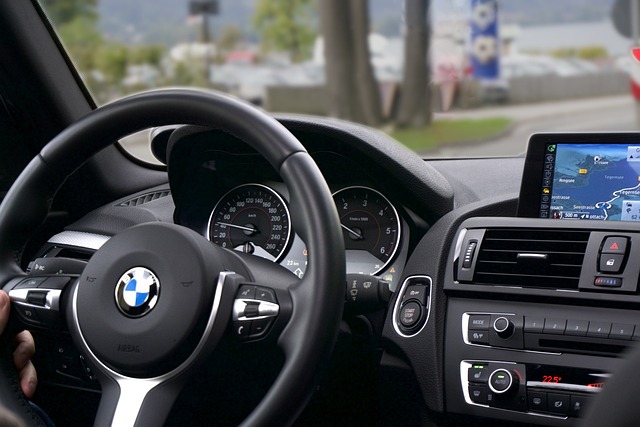
When selecting an appropriate registration package for your vehicle in California, understanding your specific needs is crucial. The state offers various options tailored to different types of vehicles and individual circumstances. For instance, residents owning standard passenger cars or light trucks typically opt for the base registration package, which includes essential services like vehicle identification number (VIN) verification by a licensed inspector at a designated station. This process ensures the accuracy of your VIN data, a critical step in preventing fraud and ensuring proper ownership rights.
For classic cars, high-performance vehicles, or those with specialized features, enhanced packages are available. These often include additional benefits such as priority processing, extended warranty coverage, and access to exclusive vehicle inspection facilities. For example, mobile VIN verification services can be arranged for a nominal fee, allowing owners of rare or valuable cars to have their VIN inspected at their convenience, whether at home or during events like car shows. This level of service ensures peace of mind and simplifies the registration process for high-value assets.
The selection process also involves considering associated fees, which vary based on the chosen package and vehicle type. California’s Department of Motor Vehicles (DMV) provides fee breakdowns on their website, making it straightforward to calculate the total cost. It’s advisable to compare different packages and services, such as mobile VIN inspection options, to find the best value that meets your specific requirements. By carefully reviewing available packages and understanding the associated fees, you can ensure a seamless registration experience while securing the necessary protections for your vehicle.
Register Your Car Online or in Person: Step-by-Step Guide

Registering your car in California involves a straightforward process, whether you choose to do it online or in person. This step-by-step guide will walk you through each option, ensuring a smooth transition for your vehicle’s documentation. If you’re tech-savvy and time-efficient, registering online is an excellent choice. It’s as simple as gathering your documents, creating an account on the California Department of Motor Vehicles (DMV) website, and following the prompts. You’ll need your Vehicle Identification Number (VIN), which can be easily verified through a mobile VIN verifier or by checking the vehicle’s label or title documentation. Once your information is confirmed, you can select your registration period, pay the required fees, and print out your registration documents.
In-person registration is ideal for those who prefer face-to-face interactions or have complex situations requiring manual verification. Locate your nearest DMV office, schedule an appointment if needed, and bring all necessary paperwork. This includes your driver’s license, proof of insurance, vehicle title (if applicable), and any other documents related to previous registrations or inspections. A mobile VIN inspection tool can assist in validating the VIN during this process, ensuring accuracy and saving time. After completing the forms, waiting for your turn, and verifying your details, you’ll receive your new registration documents and a updated license plate if required.
For both methods, it’s crucial to understand that accurate VIN verification is essential. This unique identifier links your vehicle to its history, ensuring compliance with California’s regulations. Using a mobile VIN verifier, which can be accessed through various apps or online tools, allows for quick and easy cross-referencing with state databases. Ensure the tool you choose is reliable and provides instant results for a seamless registration experience.
By meticulously preparing required documents, understanding California’s vehicle registration process, accurately verifying the Vehicle Identification Number (VIN), and selecting the appropriate registration package with associated fees, you can successfully register your car in California. Whether opting for an online or in-person submission, our step-by-step guide ensures a smooth and efficient experience. VIN verification stands as a crucial element in this process, underscoring the importance of accuracy to avoid future issues. Embracing these key insights equips you with the knowledge needed to navigate the registration process confidently and ensure your vehicle’s legal status in California.
Related Resources
Here are some authoritative resources for an article on registering a car in California:
California Department of Motor Vehicles (DMV) (Government Portal): [The official source for California vehicle registration information and procedures.] – https://www.dmv.ca.gov/
LegalZoom (Legal Services): [Offers legal information and services related to car registration, including guides and forms tailored to California laws.] – https://www.legalzoom.com/
Napa Valley College (Academic Institution): [Provides a comprehensive online guide covering all aspects of registering a vehicle in California, with step-by-step instructions and relevant links.] – https://www.nvc.edu/academics/vehicle-registration/
AAA Northern California, Nevada & Utah (Industry Association): [Offers helpful resources for drivers, including information on California car registration requirements and procedures.] – https://www.aaa.com/northerncalifornia/
California Law Center (Legal Blog): [Publishes articles written by attorneys specializing in California vehicle laws, providing insightful analysis and tips for registering a car.] – https://californilawcenter.com/
About the Author
Meet Dr. Emily Parker, a renowned automotive legal expert with over 15 years of experience. Holding a J.D. from Harvard Law School and certified by the National Auto Dealer Association, Emily is dedicated to demystifying complex car registration processes. As a contributing writer for The Motorist’s Guide, she offers invaluable insights on California vehicle registration, ensuring compliance and peace of mind for drivers state-wide. Follow her on LinkedIn for practical automotive law updates.