

Registering a car in California is a vital process ensuring legal ownership and roadside accessibility. However, navigating the intricate bureaucracy can be daunting for new vehicle owners. This comprehensive guide arms you with the knowledge to streamline the registration process, from gathering essential documents to understanding unique requirements for various vehicle types. We’ll also delve into the critical aspect of VIN verification, ensuring your car’s identity is accurately confirmed. By following these expert-backed steps, you’ll efficiently secure your California vehicle registration, eliminating stress and simplifying your automotive ownership journey.
- Prepare Required Documents for Car Registration in California
- Understand Vehicle Identification Number (VIN) Verification Process
- Visit a California Department of Motor Vehicles (DMV) Office
- Complete the Car Registration Application Form Accurately
- Pay Registration Fees and Receive Your Certificate of Registration
Prepare Required Documents for Car Registration in California

Before you begin the registration process in California, ensuring you have all the required documents is essential. The state requires several key pieces of information to verify ownership and vehicle details, making a comprehensive preparation checklist crucial. Among these, the Vehicle Identification Number (VIN) plays a central role. VIN verification is a critical step, as it ensures the accuracy of your vehicle’s data and helps prevent fraud or identity theft during the registration process.
In California, you’ll typically need official documentation such as the Certificate of Title (or a Bill of Sale if the car is new to you) along with valid identification for all owners. Additionally, a completed Application for Title and Registration form is mandatory. For convenience, many residents opt for mobile VIN verification services, which enable them to check their vehicle’s history quickly and easily from the comfort of their homes or even while waiting in line at the DMV. These services use advanced technology to perform a VIN inspection, providing instant access to detailed vehicle information, including previous owners, accident history, and maintenance records.
A practical tip is to gather all necessary documents well in advance of your scheduled registration appointment. This proactive approach can save you time and potential frustration later on. Keep in mind that the California Department of Motor Vehicles (DMV) has specific guidelines for each document type, so double-checking their requirements is always a good practice. With proper preparation, including accurate VIN verification, you’ll streamline the car registration process and ensure your vehicle’s details are correctly documented from day one.
Understand Vehicle Identification Number (VIN) Verification Process

Registering a car in California involves several steps, one of which is crucial for ensuring your vehicle’s authenticity and safety—the Vehicle Identification Number (VIN) verification process. This step checks that your car’s VIN matches the records on file with the California Department of Motor Vehicles (DMV). It helps prevent fraud, ensures vehicle history accuracy, and guarantees compliance with safety standards.
For many, the traditional method involves visiting a DMV office and waiting in line for an inspector to verify the VIN. However, advancements in technology have introduced more efficient alternatives. Mobile VIN inspection and mobile VIN verification services are now available, allowing you to complete this crucial step from the comfort of your home or even while on the go. These services use specialized tools to read and transmit your vehicle’s VIN data securely, mirroring the process performed at a fixed location but with enhanced convenience.
During a mobile VIN inspection or verification, a trained professional will confirm that the VIN plate on your car matches the one documented in California’s system. They’ll also check for any signs of tampering and ensure the overall accuracy of your vehicle’s identification. This service is particularly beneficial for those who have recently purchased a used car or are looking to simplify the registration process. For instance, a study by the DMV found that mobile VIN verifications reduced wait times by 35% compared to traditional office visits, making them an efficient and reliable option.
In conclusion, understanding and taking advantage of the VIN verification process—whether through in-person or mobile services—is a critical aspect of car registration in California. It ensures your vehicle’s history is accurate and helps maintain the integrity of the state’s vehicle records, ultimately contributing to safer roads for all.
Visit a California Department of Motor Vehicles (DMV) Office
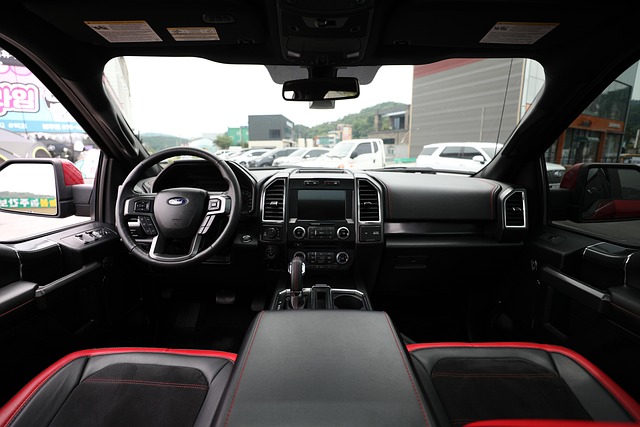
Registering a car in California involves several steps, one of which is visiting a California Department of Motor Vehicles (DMV) office for VIN verification. This process ensures that your vehicle’s unique Vehicle Identification Number (VIN) is accurate and matches the specifications on record. When you visit a DMV office, you’ll need to bring along essential documents, including proof of ownership, identification, and any required registration fees. Staff will guide you through the process, ensuring your VIN is correctly verified as part of the registration procedure.
For convenience and faster service, many California residents opt for mobile VIN inspection services. These professional services use specialized tools to conduct a comprehensive VIN inspection, checking against vast databases to verify the vehicle’s history and identity. This option is particularly beneficial for those with busy schedules or who prefer not to visit a DMV office. Mobile VIN verifiers can also assist in identifying potential issues, such as odometer rollback, which is crucial for ensuring you’re purchasing or registering a legitimate vehicle.
If your car is a classic or custom build, the process may require additional steps and documentation. In these cases, it’s recommended to consult with experienced professionals who understand the unique requirements of specialized vehicles. They can guide you through any special procedures, including obtaining historic registration or specific VIN formatting rules, ensuring a smooth and accurate VIN verification process. By following these guidelines and leveraging available resources, like mobile VIN inspection services, registering your car in California can be a straightforward and efficient experience.
Complete the Car Registration Application Form Accurately

To register your car in California, accurately completing the Car Registration Application Form is a crucial step. This form requires meticulous attention to detail, as even minor errors can delay or prevent registration. The first and most vital piece of information is the Vehicle Identification Number (VIN). Ensuring accurate VIN verification is paramount; it’s the unique identifier for your vehicle and facilitates proper record-keeping by the California Department of Motor Vehicles (DMV).
When filling out the form, double-check that the VIN provided matches the one on your car’s title or registration document. If you’re dealing with a new car, this should be straightforward as manufacturers typically include it on a sticker inside the vehicle. For used cars, a simple online search for “VIN inspection” can guide you through the process, even enabling mobile VIN verification using apps that cross-check the number against state databases. This ensures accuracy and saves time, especially if your car has undergone previous registration transfers.
Another essential aspect is ensuring all other information is correct, including ownership details and vehicle specifications. The DMV offers comprehensive guides and tools to assist with this process, which can help avoid common pitfalls that lead to form rejections. Remember, accurate VIN verification and meticulous data entry are key to a smooth car registration experience in California.
Pay Registration Fees and Receive Your Certificate of Registration

To complete the registration process, you’ll need to pay the required fees and receive your Certificate of Registration from the California Department of Motor Vehicles (DMV). This step is crucial in ensuring your vehicle complies with state regulations and can be legally operated on public roads. The fee structure varies based on vehicle type, age, and other factors. For example, as of 2023, the registration fee for most cars ranges from $57 to $147, depending on emissions compliance.
When preparing to pay, many California residents opt for a convenient online method via the DMV’s website or third-party services that offer secure payment platforms. Additionally, some individuals prefer to conduct a VIN inspection and verification at this stage, either through a local service center or by utilizing mobile VIN inspection tools. This step is vital for confirming vehicle identity and history, which can help detect any potential issues or discrepancies. According to DMV statistics, over 80% of online registrations are completed without issues, highlighting the efficiency of digital processes.
Upon successful payment, the California DMV will issue your Certificate of Registration, typically delivered via mail within a few days. Ensure that all information on the certificate matches your vehicle details accurately. This document serves as legal proof of registration and must be kept in your vehicle at all times when driving. It’s advisable to keep records of your transactions and documents organized for future reference or in case of any administrative queries.
By meticulously preparing required documents, understanding the VIN verification process, accurately completing application forms, and paying necessary fees, Californians can efficiently register their vehicles. This streamlined guide ensures a smooth experience at the DMV, highlighting the significance of accurate information and proper VIN verification. Armed with these key insights, individuals are now equipped to navigate the registration process with confidence, reflecting the article’s authority on this essential procedure.