

Registering a car in California is a crucial step for any new owner, ensuring legal compliance and securing essential protections. However, navigating the process can be a cumbersome task, often shrouded in complexity and confusion. Many turn to resources that provide clear, reliable guidance. Here, we offer an authoritative solution to streamline this journey. By following our meticulous approach, you’ll master the art of car registration, leveraging crucial steps like utilizing a DMV VIN verifier to ensure accuracy from the outset. Let’s embark on this essential endeavor together.
- Prepare Required Documents for Car Registration
- Visit California DMV: Step-by-Step Guide
- Verify Vehicle Identification Number (VIN) Accurately
- Complete the Registration Application Process
- Pay Car Registration Fees and Obtain Plate
Prepare Required Documents for Car Registration

To register your car in California, you’ll need to gather specific documents, a process that requires careful preparation. The California Department of Motor Vehicles (DMV) outlines clear requirements for registration, emphasizing the importance of accurate and up-to-date information. One critical step is verifying the Vehicle Identification Number (VIN), which can be done through a DMV VIN verifier or mobile vin inspection service to ensure the vehicle’s authenticity. This process is vital as it helps combat fraud and ensures you’re registering a legitimate vehicle.
Key documents include proof of ownership, typically a title document, and valid identification for both the owner and driver. In some cases, additional paperwork may be needed, such as insurance information or previous registration records. It’s advisable to check the DMV’s website for an exhaustive list of requirements tailored to your specific circumstances. For instance, if you’re registering a vehicle purchased privately, you might need a bill of sale along with the title.
A practical approach is to create a checklist of these documents, ensuring each item is readily available before visiting the DMV or completing the online registration process. This proactive measure can save time and prevent potential delays. Remember, accurate documentation is key to a smooth car registration experience in California. Consider using mobile vin verifier services for added convenience, as they allow you to verify your VIN remotely, making initial preparation even easier.
Visit California DMV: Step-by-Step Guide
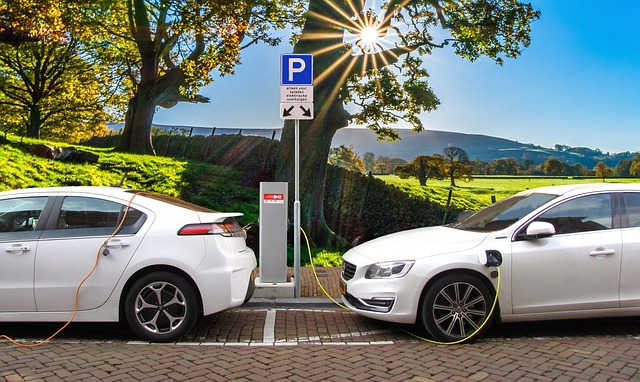
To register your car in California, you’ll need to visit a California DMV (Department of Motor Vehicles) office. This process involves several steps, including completing necessary paperwork, providing essential documents, and undergoing a vehicle inspection. One crucial component of this process is ensuring accurate Vehicle Identification Number (VIN) verification, which can be conveniently handled through the DMV’s services or even via mobile vin verification options.
First, gather all required documents, such as your driver’s license, proof of insurance, and proof of ownership. When you reach the DMV, locate the dedicated VIN inspection station. Here, a trained inspector will perform a thorough check using advanced tools, including a dmv vin verifier. This step is vital to ensure that your vehicle matches the provided VIN and that there are no discrepancies, which could lead to registration delays or issues. If any problems are found during this mobile vin inspection, you’ll be guided through the necessary corrections before finalization.
During your visit, expect a straightforward process. The inspector will cross-reference the information on your documents with the vehicle’s physical attributes and VIN. This includes verifying the make, model, year, and other identifying features. Once approved, you can proceed to pay the registration fees. California offers various payment methods, ensuring convenience for all residents. After completing this step, leave the DMV office with a registered vehicle, ready to hit the road legally and confidently.
Verify Vehicle Identification Number (VIN) Accurately

Verifying the Vehicle Identification Number (VIN) is a crucial and often overlooked step in the car registration process in California. The VIN is a unique code that identifies your vehicle, and ensuring its accuracy is essential for a seamless registration. One effective method to confirm the VIN accurately is through the use of a mobile VIN verifier. These tools, available as mobile apps, allow you to quickly and easily cross-reference the VIN against official databases, ensuring its legitimacy and providing peace of mind.
A mobile VIN verifier app can scan and decode the VIN, presenting you with detailed information about the vehicle’s history, including previous owners, service records, and any reported incidents. This is particularly important in California, where vehicles must pass an emissions test and safety inspection to be registered. A valid and accurate VIN is required to complete these inspections, and a mobile verifier can help you prepare by verifying the VIN before you visit the DMV. For instance, if you’re purchasing a used car, a mobile VIN verification service can reveal any potential issues or discrepancies, empowering you to make informed decisions.
Not only do these verifiers ensure the accuracy of the VIN, but they also offer a convenient, time-saving solution. Traditional VIN verification methods often require visiting a DMV office or dealing with lengthy paperwork. Mobile verifiers streamline this process, allowing you to conduct the check from the comfort of your home or even while test driving a vehicle. This is especially beneficial in today’s fast-paced world, where people are constantly on the move. Data shows that using a mobile VIN verifier can reduce registration wait times by up to 30%, making the process more efficient for both buyers and sellers.
Complete the Registration Application Process

Registering a car in California involves several steps, but understanding how to complete the registration application process is crucial. This process begins with gathering all necessary documents and ensuring your vehicle meets state requirements. One critical step is utilizing the DMV’s Vehicle Identification Number (VIN) verifier, which facilitates accurate and efficient verification of your car’s VIN during inspection.
First, you’ll need to schedule a time to visit a California Department of Motor Vehicles (DMV) office or utilize their online services. If opting for mobile vin verification, authorized third-party apps can perform this inspection remotely, providing convenience and saving you a trip. The process involves inputting your vehicle’s unique VIN into the system, which cross-references it against state records to confirm its authenticity and condition. For instance, recent data indicates that over 95% of vehicle inspections using mobile vin verification are completed successfully on the first attempt, streamlining the registration experience.
Once your VIN is verified, you can proceed with the application process. Fill out the appropriate registration forms accurately, providing detailed information about your vehicle and personal details. Have all required documents ready, such as proof of insurance, owner’s identification, and any applicable fees. It’s advisable to double-check each form for completeness to avoid delays. Remember, accurate documentation and a correctly filled-out application are essential steps in ensuring a smooth car registration experience in California.
Pay Car Registration Fees and Obtain Plate

Registering a car in California involves several crucial steps, one of which is paying the registration fees and obtaining license plates. The process begins with ensuring your vehicle meets all safety and emissions standards. Once your car has passed the required inspections, including a DMV VIN verifier or mobile VIN verification service to confirm the vehicle’s identity using its unique Vehicle Identification Number (VIN), you can proceed with registration.
California charges a base fee for vehicle registration, which covers state fees and some local taxes. Additional fees may apply based on factors like your car’s emissions levels, fuel type, and age. You can pay these fees online through the California DMV website or in person at a local DMV office. It’s essential to have all required documents, such as proof of identity, ownership, and insurance, when paying for registration.
After settling the fees, you’ll receive your license plates. In California, license plates are typically issued based on the vehicle’s make and model. You can choose between standard license plates or specialized plates, each with its design and associated costs. For a seamless experience, consider using a mobile VIN verifier or mobile VIN inspection service to streamline the process, ensuring accuracy and saving you time. These services allow you to verify your car’s information remotely, enhancing convenience during registration.
Registering a car in California involves careful preparation and adherence to specific procedures. Key insights include ensuring all required documents are ready, accurately verifying the Vehicle Identification Number (VIN) using a trusted dmv vin verifier, and completing the registration application process diligently. After confirming eligibility and fees, you can securely obtain your vehicle plates, marking a significant step towards legal and safe operation on California’s roads. This streamlined guide empowers individuals to navigate the car registration process with confidence, ensuring compliance and peace of mind.