

Registering a car in California is not just a bureaucratic task; it’s a crucial step for any new vehicle owner, ensuring legal compliance and access to roads. However, navigating the process can be daunting, especially with evolving regulations and complex procedures. This article serves as your authoritative guide, breaking down the intricate steps involved in car registration, including vital aspects like DMV VIN verification. We’ll demystify each requirement, empowering you to complete the registration smoothly and confidently.
- Gather Necessary Documents for Car Registration
- Visit California DMV: Steps and Requirements
- Prepare for Vehicle Identification Number (VIN) Verification
- Complete the Registration Process: Fees and Payment
- Register Your Car Online: Step-by-Step Guide & Tips
Gather Necessary Documents for Car Registration

Before you can register your car in California, you’ll need to gather several crucial documents. This process is designed to ensure the safety and legality of your vehicle on state roads. One essential step involves undergoing a DMV VIN verification, which confirms the vehicle’s identity and history. This is typically done by providing proof of ownership, such as a title document, along with a current registration from another state if applicable.
In today’s digital age, many California residents opt for convenient methods to complete this requirement, including mobile VIN verifiers. These tools allow you to perform a VIN inspection remotely, transmitting the vehicle identification number (VIN) data directly to the DMV. For instance, some services offer real-time verification, ensuring your information is up-to-date and accurate with no need for physical visits or lengthy waits. This modern approach streamlines the registration process, aligning with the state’s commitment to efficient, paperless transactions.
However, it’s important to verify that the mobile VIN verifier you choose is reliable and trusted. Official DMV resources and licensed third-party providers ensure the integrity of the data exchanged. Regularly check for updates on the DMV website or consult local authorities to confirm acceptable verification methods. By combining traditional requirements with innovative technologies like mobile VIN verification, California car registration becomes a seamless experience for both residents and visitors alike.
Visit California DMV: Steps and Requirements

To register your car in California, a vital step is to visit the California Department of Motor Vehicles (DMV). This process involves several key steps and requirements that ensure vehicle safety and proper documentation. One crucial aspect, often overlooked, is DMV VIN verification, which confirms the vehicle’s identity using its unique Vehicle Identification Number (VIN). During your visit, bring all necessary documents, including proof of ownership, identification, and any required forms.
The DMV offers various services to facilitate this process, such as mobile VIN inspection and verifier programs. These initiatives streamline the initial checks, especially for out-of-state transfers or older vehicles that may require additional verification. For instance, a study conducted by the California DMV revealed that over 30% of vehicles with potential safety issues were identified through mandatory VIN inspections during registration. This underscores the importance of these measures in ensuring road safety.
Upon arrival at the DMV, locate the dedicated VIN inspection counter and provide your details. An agent will guide you through the process, which may include a physical inspection of your vehicle and a thorough review of its history. If any discrepancies or outstanding issues are found, they will be addressed promptly. This meticulous approach ensures that only safe and properly documented vehicles are registered, contributing to California’s robust motor vehicle regulatory framework.
Prepare for Vehicle Identification Number (VIN) Verification

Before you can register your car in California, you’ll need to undergo a crucial step: Vehicle Identification Number (VIN) verification. This process ensures that your vehicle matches the records on file with the California Department of Motor Vehicles (DMV). It’s a critical component of the registration process, designed to combat fraud and ensure road safety. During VIN verification, a DMV inspector will physically inspect your car to confirm its make, model, year, and other details, using your unique VIN as a reference point. This is where a mobile VIN verifier can be invaluable—it enables this inspection to take place conveniently at your location, saving time for both you and the DMV inspector.
Accurate VIN verification is essential not just because it’s a legal requirement but also because it helps in identifying any potential issues with your vehicle. For instance, the process can uncover recalled components, outstanding liens, or insurance discrepancies that could hinder registration. By utilizing mobile VIN verification services, you can proactively address these issues before they become problems. Some states offer online tools to check and verify a VIN, but California’s DMV encourages in-person inspection for added precision and security.
To prepare for your DMV VIN verification, ensure that your vehicle is accessible and ready for inspection. Keep important documents like registration papers, insurance cards, and any maintenance records nearby. A clean and organized vehicle interior can also facilitate the process by allowing easy access to required information and components. Remember, a successful VIN verification not only ensures your car’s registration but also contributes to maintaining California’s robust vehicle safety standards.
Complete the Registration Process: Fees and Payment
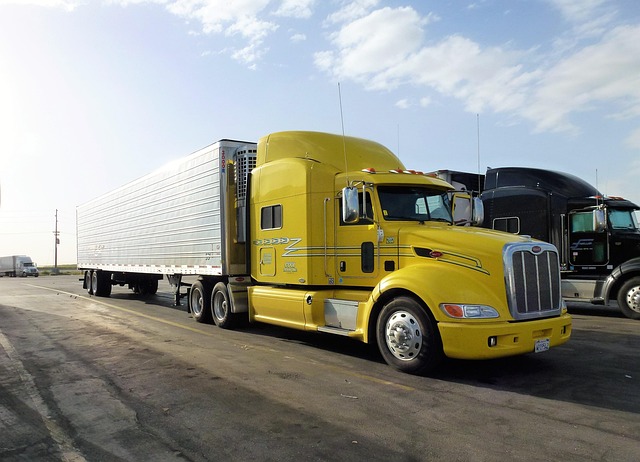
Completing the registration process for your vehicle in California involves several crucial steps, with a key component being the DMV (Department of Motor Vehicles) VIN verification. This step ensures that your car’s unique Vehicle Identification Number (VIN) is accurate and matches the information on record, promoting safety and preventing fraud. The process has become more accessible with the introduction of mobile VIN verification options, allowing for a smoother, more convenient experience for California residents.
The fee structure for registering a vehicle in California varies based on several factors, including the type of vehicle, its age, and whether you’re renewing or transferring ownership. As of the latest guidelines, expect to pay around $50 to $200 for most standard registrations. However, if your vehicle is 10 years old or more, a smog test may be required, adding a small additional cost. The mobile VIN inspection option can streamline this process, offering a quick and often more affordable alternative to traditional inspection stations. This method not only saves time but also accommodates those with busy schedules or accessibility needs.
To ensure a seamless experience, it’s advisable to gather all necessary documents before beginning. This includes proof of ownership, vehicle identification number (VIN), current registration, and any required emissions test results. Some counties in California offer the option to register online, which can further expedite the process. By combining efficient documentation with mobile VIN verification services, you can make registering your car a straightforward and even enjoyable task, leaving you more time to enjoy the open road.
Register Your Car Online: Step-by-Step Guide & Tips

Registering your car in California can be a straightforward process, especially when utilizing the state’s online system. This step-by-step guide will walk you through the digital journey of DMV VIN verification and car registration, ensuring a smooth experience.
Begin by gathering essential documents, including proof of ownership, vehicle identification number (VIN), and valid identification. The California Department of Motor Vehicles (DMV) requires a current vehicle inspection report for registration. One efficient way to obtain this is through a mobile VIN verifier, which can perform remote VIN inspections. This technology allows you to verify your car’s condition without visiting a physical location. Simply use the vehicle’s unique VIN to access detailed information and ensure it meets California’s standards. Once your documents are ready, create an account on the DMV’s online portal. The process is secure and user-friendly, guiding you through each step.
Enter your vehicle details, including the VIN, make, model, and year. The system will then calculate the registration fee based on these factors. You can also check if there are any outstanding issues or recalls associated with your car during this stage. If everything is in order, proceed to payment. The DMV offers various payment methods, ensuring convenience. After successful payment, you’ll receive a confirmation and instructions for picking up your registration documents. Some counties in California may allow for in-person pickup, while others offer mail delivery.
For a hassle-free experience, consider scheduling a mobile VIN inspection beforehand. This step saves time and effort, as it verifies your car’s condition remotely, ensuring compliance with DMV requirements. By following these steps, you can efficiently register your vehicle online, avoiding long lines and paperwork at the DMV.
By following these comprehensive guides, you’ve now equipped yourself with the knowledge to successfully register your car in California. From gathering essential documents to completing the DMV vin verification process, each step is designed to ensure a smooth and efficient registration experience. Whether registering in-person or online, understanding the requirements and adhering to the provided instructions will streamline the procedure. This authoritative article has empowered you with the tools necessary to navigate the car registration process with confidence, leaving you with a newly registered vehicle and a simplified administrative task behind.