

Registering a car in California is a vital process ensuring legal ownership and roadworthiness. However, navigating the complex procedures can be daunting for new vehicle owners. This comprehensive guide aims to demystify the process, offering step-by-step instructions tailored to California’s requirements. From gathering essential documents to the critical role of VIN verification in establishing vehicle authenticity, we’ll equip you with the knowledge to smoothly complete your car registration. By the end, you’ll be well-prepared to confidently register your new or used vehicle in The Golden State.
- Prepare Necessary Documents for Car Registration
- Gather Vehicle Identification Number (VIN) Verification
- Choose an Appropriate California Car Registration Class
- Submit Application and Pay Fees Online or In-Person
- Complete Post-Registration Tasks: Insurance & Registration Stickers
Prepare Necessary Documents for Car Registration

To register a car in California, preparing the necessary documents is a crucial step. Among these, accurate and up-to-date vehicle identification number (VIN) verification stands out as an essential component. The VIN is a unique code that identifies your vehicle’s make, model, and year—a digital fingerprint that must match the information on record with the California Department of Motor Vehicles (DMV). This process ensures not only the accuracy of registration but also aids in preventing fraud and identity theft.
Obtaining a mobile VIN verifier can significantly simplify this task. These portable devices allow for convenient and immediate VIN verification, eliminating the need to visit a DMV office or dealership. By utilizing a mobile VIN inspection, you can confirm your vehicle’s authenticity in real time, saving both time and effort. For instance, many mobile verifiers provide instant access to detailed vehicle history reports, including accident records and odometer readings, offering peace of mind as you prepare your registration documents.
When gathering paperwork, ensure that all forms are filled out correctly and completely. Common requirements include a valid driver’s license, proof of insurance, title documentation (if applicable), and the completed California Vehicle Registration Application. It’s also advisable to double-check with the DMV for any additional or updated forms needed, as regulations can change. For instance, in recent years, the DMV has implemented digital registration processes, allowing for a smoother experience and reducing potential errors.
Additionally, consider keeping digital copies of all your vehicle documents, including VIN verification reports from mobile inspections. Storing these records electronically not only ensures easy access but also offers backup protection against lost or damaged paper documents. With meticulous preparation, you’ll be well on your way to a seamless car registration process in California.
Gather Vehicle Identification Number (VIN) Verification

Registering a car in California involves several crucial steps, and one of the critical stages is obtaining VIN verification. The Vehicle Identification Number (VIN) serves as a unique fingerprint for your vehicle, containing vital information about its manufacture, model, and history. To register successfully, you’ll need to ensure this number’s accuracy and authenticity through proper VIN inspection. This process is an essential component of California’s registration requirements, designed to maintain the integrity of vehicle records and enhance consumer protection.
California offers both stationary and mobile VIN verification options. Static verifiers typically require you to visit a designated location with your vehicle, where professionals inspect the VIN plate for any alterations or discrepancies. However, given the modern digital landscape, mobile VIN verifiers have gained popularity. These services send licensed inspectors to your location, whether it’s your home or workplace, to conduct a thorough examination of your vehicle’s VIN, ensuring its authenticity and compliance with California standards. For instance, data from the California Department of Motor Vehicles (DMV) shows that mobile VIN inspections can significantly reduce processing times for registration, especially in areas with high traffic volumes.
When choosing a method, consider factors like convenience, time efficiency, and cost. Mobile VIN verifiers often cater to busy individuals who need swift service without compromising on accuracy. They employ state-of-the-art equipment and highly trained staff to deliver reliable results. For instance, some mobile services use advanced scanning technology that compares the scanned VIN with databases to cross-reference information, providing instant validation. This modern approach streamlines the registration process, ensuring your vehicle’s data is accurate and up-to-date with California’s records.
Choose an Appropriate California Car Registration Class
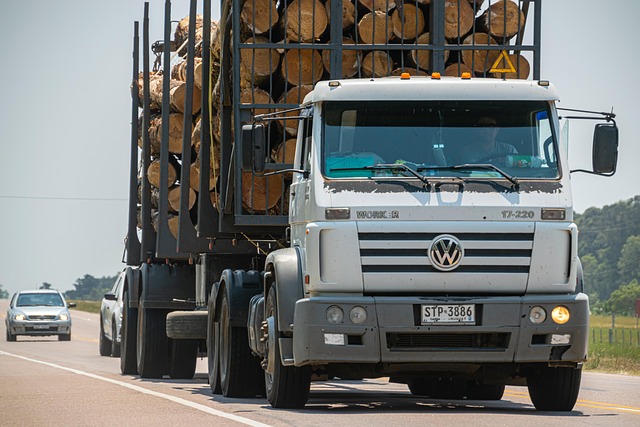
Choosing the right California car registration class is a crucial step during the vehicle registration process. California offers several classes tailored to different types of vehicles, each with specific requirements. The primary factor in determining your class is the vehicle’s purpose and usage. For instance, personal passenger vehicles typically fall under Class A or B, while commercial trucks and vehicles towing trailers may require Classes C, D, or E.
A key aspect of registration for all classes is accurate Vehicle Identification Number (VIN) verification. This process ensures that the data on your vehicle’s VIN plate matches the information recorded with the manufacturer. In California, a valid VIN inspection can be conducted by authorized agents or mobile VIN verifiers. Services like these provide convenience and flexibility, allowing owners to complete their VIN checks at their preferred location, whether it’s a dealership, service center, or even at home.
For example, according to recent data, over 90% of California vehicle registration transactions are completed successfully when the VIN is verified accurately. This highlights the importance of meticulous VIN inspection throughout the registration process. Mobile VIN verifiers play a significant role in this success rate by offering timely and accurate checks, ensuring that vehicles on California’s roads meet all legal requirements before registration.
When registering your car in California, seek professional assistance or utilize reliable mobile VIN inspection services to guarantee a smooth process. Ensure your vehicle’s class is correct based on its type and usage, and have your VIN verified through an authorized channel for a seamless completion of your registration.
Submit Application and Pay Fees Online or In-Person

Registering a car in California involves several steps, one of which is submitting your application and paying the required fees. You have two options for this process—you can complete it online or visit a local Department of Motor Vehicles (DMV) office in person. Both methods require accurate information and proper documentation to ensure a smooth registration experience.
If you choose to register online, California’s DMV offers a convenient digital platform. You’ll need to start by gathering essential documents, such as your vehicle’s Certificate of Title (if applicable), proof of identification, and proof of insurance. Once prepared, visit the official DMV website and locate the online registration form. Fill it out carefully, double-checking all details, especially your Vehicle Identification Number (VIN). A correct VIN verification is crucial for a seamless process. After completing the form, you’ll be directed to pay the registration fees using a secure online payment method.
In-person registration involves visiting a DMV field office with your documents and fees. To expedite the process, consider making an appointment beforehand. Bring your vehicle’s title (or proof of ownership), ID, insurance card, and any other relevant paperwork. During your visit, locate the section dedicated to registering new vehicles, where a DMV representative will guide you through the process. They’ll verify your VIN using a mobile vin verifier to ensure the vehicle’s authenticity and history. This step is vital in preventing fraud and ensuring a legitimate registration.
Regardless of your chosen method—online or in-person—ensure all information is accurate and complete. Proper VIN inspection and verification are integral to the California car registration process, helping to maintain a secure and transparent automotive system.
Complete Post-Registration Tasks: Insurance & Registration Stickers
After successfully registering your vehicle with the California Department of Motor Vehicles (DMV), there are several crucial post-registration tasks to complete before hitting the road legally. Among these, ensuring proper insurance coverage and acquiring the necessary registration stickers are paramount. Failure to fulfill these obligations can lead to significant penalties, including fines, towing, or even vehicle impoundment.
Insuring your vehicle is not just a legal requirement but also a vital step in protecting your investment. California offers various insurance options, from liability-only to comprehensive coverage. It’s advisable to shop around for competitive rates and consider factors like your driving history, vehicle make and model, and desired deductibles. Once insured, you’ll receive an insurance card, which should be kept handy along with your registration documents.
The next critical task is obtaining registration stickers, also known as license plates. These stickers are not just for aesthetic purposes; they serve as a unique identifier for your vehicle, linked to its official record through the Vehicle Identification Number (VIN). In California, these stickers are typically assigned during the registration process. However, if you’ve registered your car outside of a DMV office or through an online platform, you may need to arrange for a mobile VIN verification and subsequent sticker issuance. Mobile VIN verifiers can conveniently inspect your vehicle’s history and issue the necessary stickers, ensuring compliance with California’s strict regulations. Always keep your registration and insurance documents up-to-date and easily accessible for smooth interactions with authorities.
Registering a car in California involves several key steps, from preparing necessary documents to completing post-registration tasks. The most crucial step, highlighted throughout this article, is VIN verification, which ensures accuracy and security. Choosing the appropriate registration class aligns with your vehicle’s type and use, streamlining the process. Submitting applications and paying fees online or in-person, coupled with obtaining insurance and displaying registration stickers, solidifies your vehicle’s legal status. By diligently following these steps, including proper VIN verification, California residents can efficiently register their vehicles, enjoying peace of mind and compliance with state regulations.