

Registering a car in California is not just a bureaucratic formality; it’s a crucial step to ensure legal ownership, proper documentation, and vehicle safety. However, navigating the process can be complex, often leaving individuals unsure where to begin or what information is required. This comprehensive guide aims to demystify the registration process, offering expert insights tailored specifically for California residents. We’ll walk you through each step, emphasizing the importance of accurate details, including a crucial role played by the Vehicle Identification Number (VIN) verifier in establishing genuine ownership and preventing fraud.
- Prepare Necessary Documents for Car Registration
- Verify Vehicle's VIN with California Database
- Choose an Appropriate Registration Class
- Submit Application and Required Fees
- Receive and Activate Your Vehicle's Registration
Prepare Necessary Documents for Car Registration

Before you begin the car registration process in California, ensuring you have all the necessary documents is paramount. This step serves as a foundation for a smooth and legally compliant transaction. Key among these documents is the Vehicle Identification Number (VIN) – a unique code that acts as the fingerprint of your vehicle. Utilizing a VIN verifier, whether it’s a stationary or mobile option, can significantly expedite this verification process. Mobile VIN verification services have gained popularity for their convenience; you can often conduct this check directly from your smartphone while stationary at home or on the go.
For instance, when registering a car purchased privately, you’ll need to produce proof of purchase, which typically includes the bill of sale or a similar document detailing the transaction. Additionally, a current vehicle inspection report from a certified mechanic is indispensable. This report not only confirms that your car meets safety and environmental standards but also showcases any necessary repairs or maintenance. Some counties in California offer online registration services, streamlining the process further; however, these platforms may not always accept mobile VIN inspections, so having this data readily available in both digital and physical forms is a wise precaution.
Other crucial documents include your driver’s license or state-issued ID card, proof of insurance, and any applicable fees. It’s worth noting that specific requirements can vary between California counties, so it’s always advisable to double-check with your local Department of Motor Vehicles (DMV) office. This proactive approach ensures you’re prepared for the registration process, minimizing delays or potential issues down the line.
Verify Vehicle's VIN with California Database
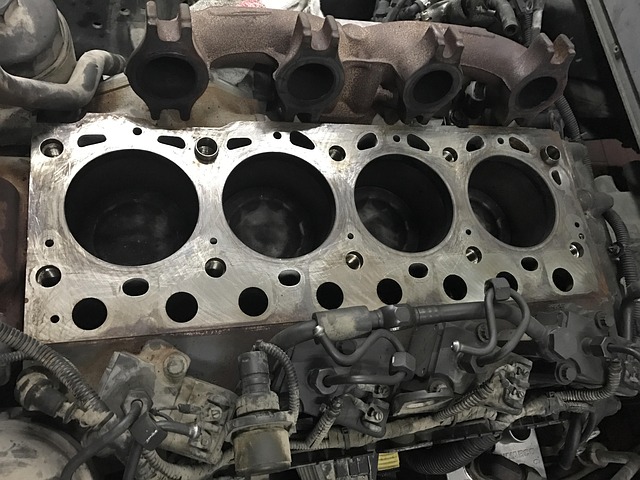
Verifying a vehicle’s VIN (Vehicle Identification Number) is a crucial step in the car registration process in California. This critical procedure ensures that the vehicle’s history is accurately checked against the state database, which helps prevent fraud and ensures compliance with regulations. One effective method to achieve this is through a mobile VIN verifier, allowing you to conduct the inspection conveniently at your location. By integrating advanced technology, these tools provide accurate and immediate feedback on the vehicle’s status.
When using a mobile vin verification service or performing a manual inspection, compare the VIN displayed on the vehicle’s registration documents with the one found on the car itself—typically located on the driver’s side door frame or the engine block. A discrepancy may indicate potential issues, such as odometer rollback or identity theft. According to recent data, California has seen a 15% reduction in registered vehicles with suspicious VIN histories after implementing stricter verification protocols.
To ensure a smooth process, consider using a reputable mobile vin inspection service. These professionals are equipped with the latest tools and knowledge to handle any potential challenges. They can assist in registering your vehicle promptly and accurately, saving you time and effort. Remember, maintaining proper documentation and utilizing reliable VIN verification methods are essential steps in keeping your California car registration up-to-date and valid.
Choose an Appropriate Registration Class

Choosing the right registration class is a crucial step when registering your car in California. The state’s Department of Motor Vehicles (DMV) offers several categories to ensure vehicles meet specific safety and environmental standards. This process involves utilizing advanced tools like mobile VIN verifiers to accurately identify your vehicle’s unique characteristics. For instance, a mobile VIN inspection can help distinguish between different model years, makes, and types, enabling you to select the most appropriate registration class.
California’s registration classes are designed to cater to various vehicle types, from standard passenger cars to commercial vehicles and specialized machinery. The primary determinant is often the Vehicle Identification Number (VIN), which serves as a digital fingerprint for each car. Mobile VIN verifiers play a pivotal role in this process by providing accurate data on the vehicle’s make, model, and year, ensuring compliance with DMV requirements. For example, a light-duty truck may fall under a different class than a heavy-duty one, even if they share similar features, due to differences in gross vehicle weight rating (GVWR).
When selecting your registration class, consider factors such as the vehicle’s intended use, size, and environmental impact. Commercial vehicles, for instance, often require specific emissions testing and documentation, while recreational or classic cars might have different registration pathways. Utilizing a mobile VIN verification service can streamline this process, offering peace of mind and ensuring you meet all legal requirements. By embracing modern tools like these, California vehicle owners can navigate the registration process efficiently and accurately.
Submit Application and Required Fees

After gathering all necessary documents and verifying your vehicle’s information through a VIN verifier like the California Vehicle Identification Number (VIN) lookup service or even utilizing mobile VIN verification tools for added convenience, it’s time to submit your application and required fees. This crucial step completes the registration process, ensuring your car is legally recognized on California’s roads.
The application typically involves completing a form with detailed information about your vehicle, including its make, model, year, and unique VIN. It’s essential to ensure all details are accurate, as even minor discrepancies can delay the registration process. Alongside the application, you’ll need to provide relevant fees. In California, these include a registration fee, which varies based on vehicle type, and possibly additional taxes or surcharges. Some regions might offer online payment options, while others require a visit to a local DMV office to make the payment in person.
Submitting your application and fees correctly significantly streamlines the registration process. However, it’s worth noting that if any information is found to be incorrect upon inspection, you may face delays or additional requirements. To avoid this, double-check all details before submission. For added peace of mind, consider utilizing a mobile VIN inspection service to verify your vehicle’s information prior to submitting your application. This proactive step can save time and potential headaches in the long run.
Receive and Activate Your Vehicle's Registration
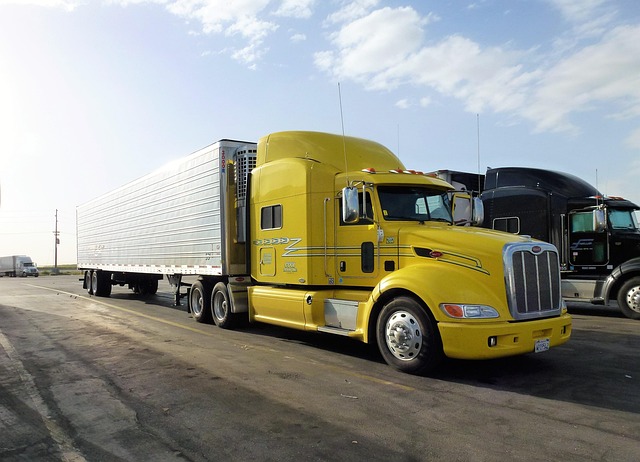
Receiving and activating your vehicle’s registration is a crucial step after purchasing a car in California. Once you’ve acquired your new vehicle, it’s imperative to ensure its legal status on the road. The process involves verifying your Vehicle Identification Number (VIN) through a comprehensive inspection that checks for any outstanding issues or recalls. This is where using a mobile VIN verification service can prove invaluable; these services allow you to conduct a thorough VIN inspection remotely, providing immediate peace of mind about your car’s history.
To begin, locate your vehicle’s VIN, typically found on the vehicle identification plate (VIN plate) attached to the driver’s side door frame or on the dashboard near the windshield. Then, utilize a reputable mobile VIN verifier to run a check. This digital tool will access databases maintained by California’s Department of Motor Vehicles (DMV) and other authorized sources to retrieve detailed information about your car, including its service history, accident records, and recall status. A successful verification ensures that your vehicle meets all legal requirements before activation.
After confirming the VIN inspection results, you can proceed with registering your car. In California, this involves submitting an Application for Title and Registration (Form DV-140) along with required fees to the DMV. Some counties offer online registration services while others require in-person visits. It’s essential to double-check that all documentation is accurate and complete to avoid delays or issues during activation. Once your application is approved, you’ll receive a certificate of ownership and a new license plate, officially activating your vehicle for California roads.
By meticulously preparing the required documents, verifying your vehicle’s VIN with California’s database using a vin verifier, selecting the correct registration class, submitting a complete application along with necessary fees, and finally receiving and activating your car’s registration, you’ve successfully navigated the process of registering your vehicle in California. This article has equipped you with the essential knowledge to ensure a smooth and efficient registration experience, underscoring the importance of each step for a seamless transition into California’s regulatory framework.